01
Bleeding Gums
Bleeding while brushing or cleaning between your teeth can be a sign of gum inflammation and should be assessed.
Periodontics focuses on the health of the gums and the supporting structures around your teeth. Healthy gums play an important role in maintaining tooth stability, oral comfort, and long-term dental health.
Gum disease may begin with redness, swelling, or bleeding. If it progresses, it can affect the tissues and bone that support your teeth. Early assessment can help identify the problem and guide appropriate treatment.
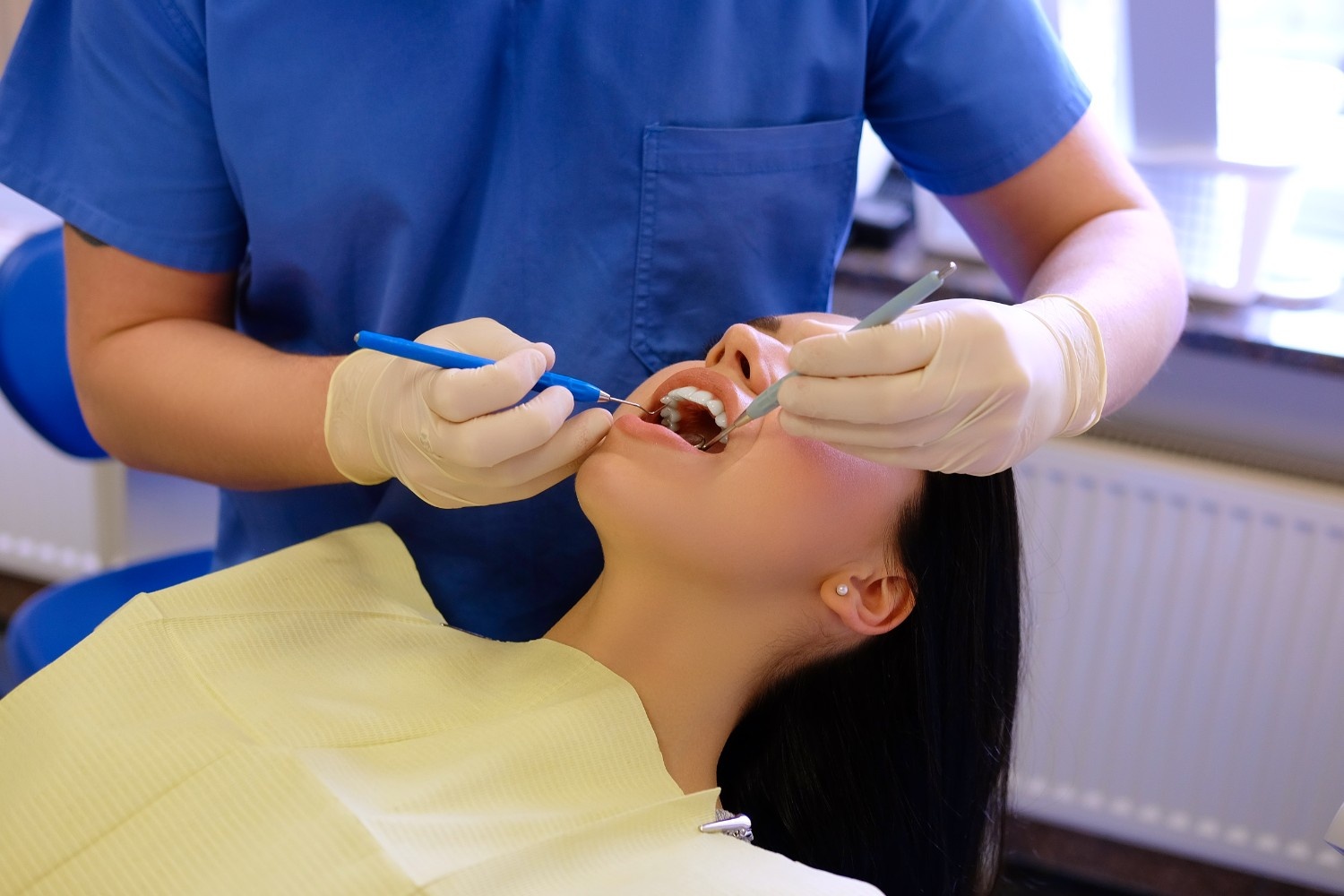
Periodontal care aims to control gum inflammation and support the health of the tissues around your teeth.
Gum disease does not always cause noticeable discomfort in its early stages. Paying attention to changes in your gums and arranging regular dental check-ups can help identify problems before they become more advanced.
Bleeding while brushing or cleaning between your teeth can be a sign of gum inflammation and should be assessed.
Gums that appear red, swollen, tender, or unusually sensitive may need professional evaluation.
Ongoing unpleasant breath or taste can have several causes, including plaque accumulation and gum disease.
If your teeth appear longer or their roots become exposed, a dentist can assess possible gum recession.
Tooth mobility can indicate damage to supporting tissues and requires prompt professional assessment.
Spaces between the gums and teeth can deepen when periodontal tissues are affected by disease.
Periodontal treatment begins with an examination to understand the condition of your gums and the structures supporting your teeth. The findings help determine whether routine cleaning, deep cleaning, or additional treatment may be appropriate.
Your dentist may also consider relevant health conditions, smoking or tobacco use, oral hygiene habits, and other factors that can affect gum health.
After the assessment, your dentist will explain the findings, discuss the recommended treatment, and outline the expected visits and follow-up care.
Treatment may be adjusted according to your response to initial therapy and the condition of your gums during review appointments.
Scaling and root planing, often called deep cleaning, is a non-surgical treatment used for appropriate cases of periodontal disease. It removes plaque and hardened tartar from tooth surfaces, including areas beneath the gumline.
Root planing smooths the affected root surfaces to help reduce bacterial deposits and create conditions that support gum healing.
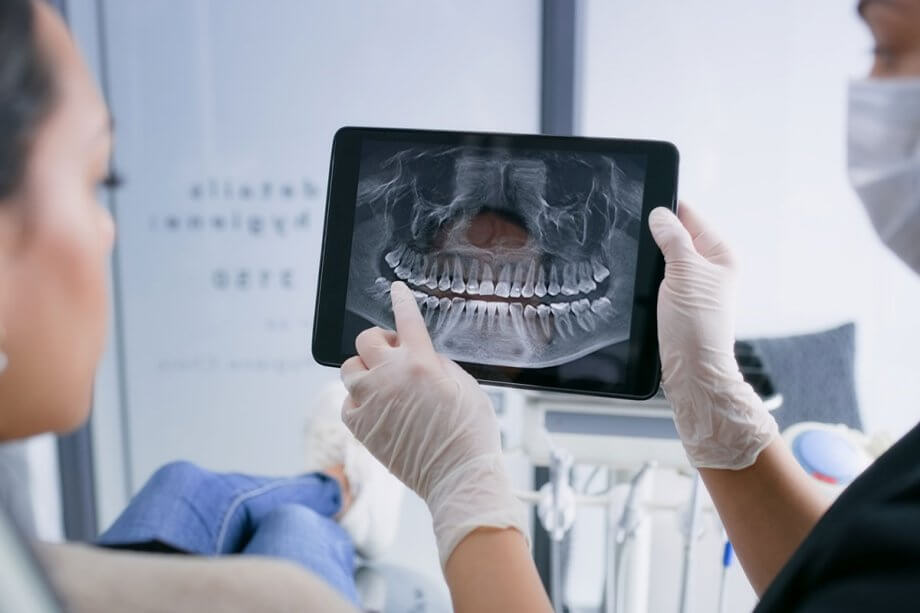
Scaling and root planing removes deposits from affected tooth surfaces and below the gumline.
Not every patient needs surgery. Treatment is selected according to gum pocket depth, the extent of tissue or bone damage, oral hygiene, and response to initial care.
Professional cleaning removes plaque and tartar deposits from tooth surfaces. It may be suitable for routine preventive care or certain early gum problems.
Scaling and root planing cleans affected areas below the gumline and smooths root surfaces. It is commonly used to manage periodontitis when indicated.
In selected advanced cases, periodontal surgery may provide access to deeper areas for cleaning and may reduce pocket depths to support ongoing maintenance.
Gum grafting may be considered for selected cases of gum recession or exposed roots. The technique depends on the location and amount of missing gum tissue.
Certain defects may be suitable for procedures intended to support regeneration or reconstruction of lost supporting tissues. Outcomes vary by case.
Following active treatment, scheduled periodontal reviews and professional cleaning help monitor gum health and reduce the risk of recurrence.
Following periodontal treatment, good oral hygiene and recommended follow-up appointments are important for supporting recovery. Your dentist will provide instructions based on the procedure performed and your individual needs.
Clean your teeth regularly with a soft toothbrush, following any specific instructions given for recently treated areas.
Use suitable interdental brushes or floss as advised to help remove plaque from areas a toothbrush may miss.
If your gums are tender or you have had surgery, follow your dentist's guidance about food texture and activities during recovery.
Take prescribed medicines or use recommended rinses only according to your dentist's instructions.
Tobacco can negatively affect periodontal health and healing. Ask your dental team for help with stopping tobacco use if needed.
Review appointments help assess gum healing, measure pocket depths when needed, and plan ongoing maintenance.
Completing active treatment is only one part of managing gum disease. Plaque can build up again, so maintaining healthy daily habits and attending recommended reviews are essential parts of ongoing care.
Patients who have had periodontitis may need periodontal maintenance visits at intervals based on their gum condition, risk factors, and response to treatment.
Gum health can improve with appropriate treatment and good oral hygiene. However, periodontitis can recur, so ongoing monitoring is important even when symptoms have improved.
Your dentist will recommend an individual maintenance schedule rather than using the same interval for every patient.
Brush twice daily, clean between your teeth, follow your dental team's recommendations, and seek advice if bleeding or swelling returns.
Answers to common questions about gum disease, deep cleaning, treatment, and recovery.
Periodontics is the area of dentistry concerned with the gums and the supporting structures around teeth. Periodontal care includes prevention, diagnosis, and treatment of gum disease.
Gingivitis is inflammation of the gums and does not involve the attachment and bone destruction associated with periodontitis. Periodontitis affects the tissues supporting teeth and may cause bone loss if untreated.
Comfort varies according to gum inflammation, sensitivity, and the extent of cleaning required. Local anaesthesia may be used when appropriate. Some tenderness or sensitivity can occur afterward.
The number of visits depends on the severity and extent of gum disease, the treatment required, and your response to care. Deep cleaning may require multiple appointments, followed by review visits.
Advanced periodontitis can damage the supporting tissues and bone around teeth, which may contribute to tooth mobility. Loose teeth should be assessed by a dentist to identify the cause and suitable options.
Yes. Plaque can build up again, and periodontitis may recur. Daily oral hygiene, professional maintenance, and management of risk factors help reduce the risk of further disease.
Surgery may be considered when non-surgical treatment does not adequately manage certain periodontal problems, or when specific gum or bone defects need treatment. Your dentist will assess whether it is appropriate for your condition.
Arrange a consultation at Dr. Bansal's Dental Clinic to discuss your gum health, understand the treatment options, and plan appropriate care.
Enquire on WhatsAppThis page provides general dental information and is not a substitute for a clinical examination or individualised professional advice. Treatment and results vary according to each patient's condition.