Bleeding or Swollen Gums
Gums that bleed while brushing, look red, or remain swollen may indicate inflammation that needs professional evaluation.
Healthy gums and supporting bone are essential for strong, stable teeth. Gum and bone surgery may help treat advanced gum problems, restore lost gum tissue, or rebuild bone support when clinically appropriate. At Dr. Bansal’s Dental Clinic, treatment is planned around your gum health, bone condition and individual dental needs.

Gum examination and appropriate diagnostic imaging.
Care options selected for your clinical needs.
Aftercare instructions and follow-up monitoring.
Gum disease and supporting bone loss can develop gradually. Recognising the signs early allows a dentist to assess the condition and discuss suitable treatment options.
Gums that bleed while brushing, look red, or remain swollen may indicate inflammation that needs professional evaluation.
Gums pulling away from the teeth can expose root surfaces and may cause sensitivity or make teeth appear longer.
Spaces between the teeth and gums can deepen with periodontal disease, allowing bacteria to collect below the gumline.
Changes in tooth stability or spacing may be associated with loss of supporting tissues and require prompt dental assessment.
Dental examination and X-rays may reveal changes in the bone that supports the teeth, helping guide treatment decisions.
Ongoing tenderness, swelling, pus, or an unpleasant taste can indicate infection and should be assessed by a dental professional.
These procedures address different parts of the tissues that support your teeth. The recommended approach depends on the diagnosis, severity of the condition and your overall oral health.
Gum surgery may be recommended when periodontal disease or gum tissue problems require treatment beyond routine cleaning. Depending on the condition, treatment may involve access to deep deposits, reshaping tissue or grafting gum tissue.
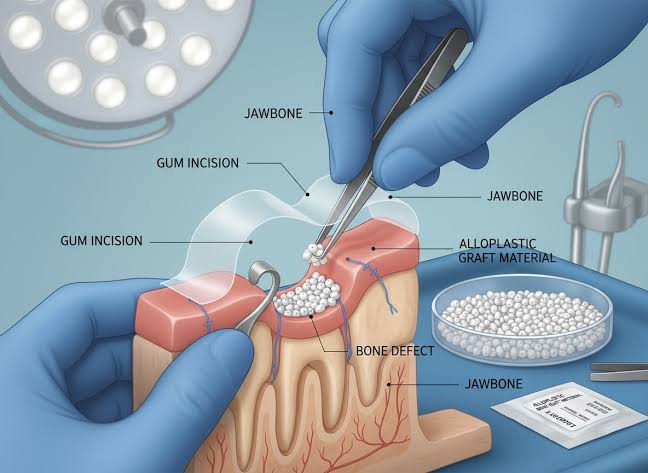
Bone procedures may be considered when the bone around teeth has been damaged by periodontal disease or when additional bone is needed for a planned dental procedure, such as certain implant treatments.
A step-by-step overview of how periodontal treatment is commonly planned. Your actual treatment sequence may vary depending on your condition and the procedure recommended by your dentist.
Examination, diagnosis and personalised treatment planning help determine the most appropriate next step.
The dentist reviews your concerns, medical and dental history, gum condition, tooth stability and oral hygiene. Gum pockets and areas of recession may be measured where appropriate.
Dental X-rays or other suitable imaging may be used to evaluate supporting bone levels and identify areas that need attention. Further investigations depend on the individual case.
Where indicated, plaque and hardened deposits are removed through professional cleaning or deeper periodontal cleaning. Inflammation and oral hygiene are reassessed before surgery is considered.
If surgery is necessary, the selected procedure may involve periodontal flap treatment, gum grafting, tissue reshaping or bone grafting. The exact approach depends on the diagnosis.
The treated area is monitored as it heals. You receive instructions about cleaning, eating, medicines if prescribed, and when to return for review or removal of sutures if required.
Ongoing home care and regular professional maintenance help manage periodontal disease and protect the results of treatment. The recall schedule is tailored to your needs.
When recommended for the right clinical reasons, periodontal treatment can help manage disease, improve tissue health and support oral function. Outcomes vary from patient to patient.
Address affected gum tissues and support periodontal health.
Selected procedures may help address recession and exposed roots.
Suitable bone procedures may help manage selected bone defects.
Appropriate treatment can make some areas easier to maintain.
Healing time depends on the procedure, the extent of treatment and your individual health. Always follow the instructions provided by your treating dentist.
Professional treatment is only one part of maintaining periodontal health. Daily plaque control, regular dental reviews and a maintenance schedule suited to your needs can help reduce the risk of recurring gum inflammation.

Find answers to common questions about periodontal procedures, preparation and recovery.
Gum and bone surgery refers to procedures that treat problems affecting the gums or the bone supporting teeth. Depending on the diagnosis, treatment may include periodontal flap surgery, gum grafting, bone grafting or other specialised procedures.
Local anaesthesia is commonly used during many periodontal procedures to manage discomfort during treatment. Some soreness, swelling or sensitivity can occur afterward. Your dentist can explain what to expect for the specific procedure planned.
Recovery varies depending on the type and extent of surgery, the patient's health and the healing response. Soft tissue may heal over several weeks, while bone grafting can require a longer period of healing and assessment. Your dentist will provide a procedure-specific timeline.
No. Many patients are treated with professional cleaning, periodontal deep cleaning, improved home care and regular maintenance. Surgery is considered only when examination findings indicate that it may be beneficial.
Bone grafting may be considered for selected bone defects or when additional bone support is needed for a planned dental treatment. Clinical examination and appropriate imaging help determine whether the procedure is suitable.
Treatment depends on the cause, severity and location of the recession. Options may include monitoring, changes to brushing technique, treatment of contributing factors or gum grafting in suitable cases. Complete root coverage cannot be guaranteed.
Follow your dentist's post-operative instructions, maintain appropriate oral hygiene, avoid tobacco and attend scheduled periodontal maintenance appointments. Your dentist may recommend a personalised cleaning and review schedule.
A dental consultation is needed to evaluate your gums, teeth and supporting bone. The dentist may measure gum pockets, assess tooth mobility and review X-rays before explaining suitable options, their risks and expected healing.
Concerned about bleeding gums, gum recession or supporting bone loss? Arrange a dental consultation to understand your condition and discuss treatment options suited to your oral health needs.
Enquire on WhatsApp